What’s the Difference Between Graphic Designers and Graphic Illustrators?

Graphic design and graphic illustration are two terms often used interchangeably. However, while both professions share some similarities, they fundamentally differ in their approach, skills, and expertise.

Understanding the difference between graphic designers and illustrators is important for anyone looking to hire a professional for their project or considering a career in the creative industry.

This blog post will explore the key differences between graphic designers and illustrators and what sets them apart in the creative industry.

Graphic Designers vs. Graphic Illustrators

This section will provide a general overview of the similarities and differences between graphic designers and illustrators and set the stage for a more detailed discussion of each profession.

Graphic Designers

Graphic designers are visual communicators who use typography, images, colors, and layouts to create designs for print, digital, or web mediums. 

Businesses, agencies, or organizations often hire freelance graphic designers to develop visual solutions for their brand identity, marketing campaigns, or advertising materials.

A graphic designer’s role is to create visually appealing designs that effectively communicate a message or idea to the intended audience. 

They need to be well-versed in graphic design software, have a good eye for detail, and be able to work under tight deadlines. Their work may involve creating logos, brochures, flyers, posters, websites, or social media graphics.

Graphic Illustrators

Graphic illustrators, on the other hand, are artists who create images and illustrations using various media such as pencil, ink, watercolor, or digital tools. 

They are often hired to create illustrations for books, magazines, comics, children’s books, or advertising campaigns. Unlike graphic designers, illustrators create images that tell a story or convey a specific mood or emotion.

Illustrators must have a strong sense of creativity, imagination, and artistic skill to bring their ideas to life. They must be able to work with various mediums and understand composition, color theory, and perspective well. Their work may involve creating character designs, editorial illustrations, concept art, or storyboards.

Key Differences Between Graphic Designers and Graphic Illustrators

Let’s delve deeper into the specific differences between these two professions – the types of projects they typically work on and the tools and techniques they employ.

Purpose

The main difference between graphic designers and illustrators is their work’s purpose. Graphic designers create visual designs that communicate a specific message or idea to the intended audience, while illustrators create images that tell a story or convey a mood or emotion.

Tools and Techniques

Another key difference is the tools and techniques used by each profession. For example, graphic designers use graphic design software such as Adobe Photoshop, Illustrator, or InDesign to create print, digital, or web designs. In addition, they often make their designs with typography, images, colors, and layouts.

Conversely, illustrators use various media such as pencils, ink, watercolor, or digital tools to create their illustrations. They often work on paper or canvas and produce detailed and intricate drawings or paintings.

Style

Graphic designers and illustrators also have distinct styles in their work. Graphic designers often create clean, simple, and modern designs that are visually appealing and easy to understand. They use typography, color, and layout to create designs that effectively communicate a message.

Illustrators, on the other hand, often have a more expressive and unique style in their work. They use their artistic skills to create detailed and imaginative illustrations that tell a story or convey a specific emotion or mood.

Clients

Finally, the clients that graphic designers and illustrators work with are often different. For example, businesses, agencies, or organizations often hire graphic designers to create designs for their brand identity, marketing campaigns, or advertising materials. 

Conversely, publishers, authors, or media companies often hire illustrators to create illustrations for books, magazines, or comics.

Should You Hire A Graphic Designer or Graphic Illustrator?

In conclusion, while graphic designers and illustrators share some similarities, they fundamentally differ in their approach, skills, and expertise. 

Graphic designers create visual designs that communicate a specific message or idea to the intended audience, while illustrators create images that tell a story or convey a mood or emotion.

Whether you should hire a graphic designer or graphic illustrator depends on your specific needs and goals. 

For example, a graphic designer is the right choice if you need visual designs for your brand identity, marketing campaigns, or advertising materials. Graphic designers have the skills and expertise to create compelling designs that communicate a message to your intended audience.

On the other hand, if you need illustrations for your book, magazine, or comic, then a graphic illustrator is the best choice. Also if you want Illustrative restaurant menu design then try using this food menu templatesthat has the creativity and artistic skill to create unique and expressive images that tell a story or convey a specific emotion or mood.

It’s also worth noting that many graphic designers and illustrators have overlapping skills and can provide both graphic design and illustration services. 

If you have a project that requires design and illustration work, consider hiring a designer or illustrator with experience in both areas.

The Role of CRM Software in Improving Customer Retention for Ecommerce Businesses

If you’ve been in the world of ecommerce for a while, there’s a high chance you understand that customer retention costs less than customer acquisition — and can lead to increased profitability, revenue, and customer loyalty.

However, Ecommerce businesses face unique challenges in retaining customers, such as stiff competition, high customer expectations, and the lack of face-to-face interaction. To overcome these challenges and improve customer retention rates, Ecommerce businesses are increasingly turning to CRM Software, studies show.

CRM Software or Customer Relationship Management Software is a powerful technology that helps businesses manage customer relationships and interactions. It allows businesses to store and manage customer information, track customer behavior, and enhance the overall customer experience.

Kind of like a 360 degree view. 

In this comprehensive article, we’ll delve into the world of CRM software, exploring its immense potential for Ecommerce businesses, including how it can help overcome common challenges and significantly improve customer retention rates. 

Let’s get into it, shall we?

What is CRM Software?

At its core, CRM Software is a tool that helps businesses manage customer relationships and interactions. It provides businesses with a centralized platform to store and manage customer information, such as contact details, purchase history, and customer behavior. Using this information, businesses can gain insights into their customers’ needs, preferences, and behavior, enabling them to create personalized experiences and build lasting relationships.

There are several types of CRM Software, each with its own unique set of features and functionalities. Here are some of the most common types of CRM Software:

Operational CRM: This type of CRM Software focuses on streamlining and automating customer-facing processes, such as sales, marketing, and customer service.

Analytical CRM: Analytical CRM Software helps businesses analyze customer data to gain insights into customer behavior, preferences, and needs. This information can be used to create targeted marketing campaigns, personalize customer experiences, and improve overall customer satisfaction.

Collaborative CRM: Collaborative CRM Software is designed to facilitate communication and collaboration between different teams within a business, such as sales, marketing, and customer service. By sharing customer data and insights, businesses can ensure that all teams are aligned and working towards the same goal of improving customer retention.

In short, just know that CRM Software is a powerful tool that can help Ecommerce businesses improve customer retention rates by providing personalized experiences, streamlining processes, and creating targeted marketing campaigns. 

Importance of Customer Retention for Ecommerce Businesses

Now that we understand what CRM Software is and how it can benefit Ecommerce businesses, let’s delve into the importance of customer retention for these businesses.

“Ecommerce businesses face stiff competition from both established players and new entrants, making it essential for them to retain existing customers to ensure long-term profitability and growth. That’s why leaning on a CRM Software can provide a way to find hidden gaps and new opportunities to sneak your way up”, says Jake Smith, Founder of Personalised Number Plates.

Here are some of the reasons why customer retention is critical for Ecommerce businesses:

Cost-effective: Retaining existing customers is more cost-effective than acquiring new ones. According to studies, acquiring a new customer can cost up to five times more than retaining an existing one.

Repeat business: Existing customers are more likely to make repeat purchases than new customers. By providing a positive customer experience and building long-term relationships, Ecommerce businesses can ensure repeat business from their existing customer base.

Positive word-of-mouth: Satisfied customers are more likely to recommend a business to their friends and family, leading to positive word-of-mouth marketing and increased brand awareness.

Increased customer lifetime value: Customer lifetime value refers to the amount of revenue a customer generates for a business over their lifetime. By retaining existing customers and increasing their lifetime value, Ecommerce businesses can increase their overall revenue and profitability.

To achieve all of that, you need to invest in tools and strategies that enable you to provide personalized experiences and build lasting relationships with their customers. 

And that is where CRM Software comes in:

How CRM Software can Improve Customer Retention for Ecommerce Businesses?

Let’s talk about some of the ways a CRM Software helps businesses like you retain customers.

  1. Personalized communication with customers

One of the significant challenges Ecommerce businesses face is providing personalized communication with customers

Jamie Irwin, Marketing Executive at Service Club, says, “With the lack of face-to-face interaction, it can be challenging to understand customers’ needs and preferences and provide them with a tailored experience. However, CRM Software can help overcome this challenge by enabling you to collect and analyze customer data to provide personalized communication.”

Here’s how CRM Software can help Ecommerce businesses provide personalized communication with customers:

Customer data collection: CRM Software allows businesses to collect customer data such as purchase history, browsing behavior, and demographics, which can be used to understand customer preferences and needs.

Segmentation: By segmenting customers based on their characteristics and behavior, businesses can provide personalized communication with customers that are relevant to their interests and needs.

Automation: With CRM Software, businesses can automate personalized communication with customers through emails, text messages, and other channels. For example, businesses can send personalized product recommendations to customers based on their purchase history or abandoned cart reminders.

Feedback collection: CRM Software enables businesses to collect feedback from customers and use it to improve their products and services continually.

By utilizing a survey maker to provide personalized communication with customers, you can improve customer satisfaction, increase customer loyalty, and ultimately improve their overall retention rates.

For example, a study by Epsilon found that personalized emails have an open rate 29% higher than non-personalized emails, highlighting the importance of personalized communication in improving customer engagement and retention.

  1. Tracking Customer Behavior

Tracking customer behavior is another critical aspect of improving customer retention for Ecommerce businesses. As Jeoffrey Murray, Digital Marketing Expert at Solar Panel Installation, shares, “Businesses can take advantage of sophisticated analytics tools that allow them to track customer behavior and make data-driven decisions. With these insights, businesses can better understand their customers’ needs, preferences, and pain points, and use this information to optimize their marketing, sales, and customer service strategies.”

Here’s how CRM Software can help Ecommerce businesses track customer behavior:

Purchase history: CRM Software allows businesses to track customer purchase history, including the products they’ve bought, the frequency of purchases, and the average purchase value. This information can help businesses identify popular products and categories and develop targeted marketing campaigns and promotions.

Browsing behavior: By tracking customer browsing behavior, businesses can gain insights into customer interests and preferences. For example, if a customer spends a lot of time browsing a particular product category, businesses can assume that they’re interested in that category and develop marketing campaigns and promotions to target them.

Feedback collection: CRM Software enables businesses to collect feedback from customers, which can provide valuable insights into their behavior and preferences. By analyzing feedback, businesses can identify areas for improvement in their products, services, and overall customer experience.

Social media monitoring: CRM Software can also be used to monitor customer behavior on social media. By tracking social media mentions and engagement, businesses can gain insights into customer sentiment, identify potential issues, and respond promptly to customer inquiries and complaints.

For example, by analyzing customer feedback, you can identify areas for improvement in your products and services and make necessary changes to address customer concerns.

  1. Improved Customer Service

Another way CRM Software can improve customer retention for Ecommerce businesses is by improving customer service. “With such software, businesses can more easily track and resolve customer issues, manage customer inquiries and complaints, and provide personalized support — which can lead to increased customer satisfaction and retention”, says Jonathan Faccone, Managing Member & Founder of Halo Homebuyers.

Here’s how CRM Software can help Ecommerce businesses improve customer service:

Centralized Customer Information: With CRM Software, businesses can store all customer information in a centralized location, making it easier for customer support representatives to access and manage customer data. This can help customer support representatives provide faster and more personalized service to customers.

Automated Responses: CRM Software can be used to automate responses to customer inquiries and complaints, reducing the response time and improving overall customer satisfaction.

Real-time Data: CRM Software can provide real-time data on customer interactions, enabling businesses to track customer issues and resolve them promptly. This can help businesses improve customer satisfaction and retention.

For example, if a customer contacts customer support with a complaint about a product, the customer support representative can quickly access the customer’s purchase history and browsing behavior to understand their preferences and address their concerns promptly. This personalized approach can lead to increased customer satisfaction and retention.

  1. Targeted Marketing

Another way CRM Software can improve customer retention for Ecommerce businesses is by enabling targeted marketing. 

Freddie Smith, CEO of Sporting Post, says, “By using CRM Software to track customer behavior and preferences, you can create personalized marketing campaigns that resonate with your customers and increase the likelihood of repeat purchases.”

Here’s how CRM Software can help Ecommerce businesses with targeted marketing:

Personalized Messaging: CRM Software can be used to create personalized messaging that speaks directly to the customer’s needs and interests. By using customer data to tailor marketing messages, businesses can increase the effectiveness of their marketing campaigns and improve customer retention.

Automated Campaigns: CRM Software can be used to automate marketing campaigns, making it easier for businesses to target their customers with relevant messaging at the right time. This can help businesses improve the effectiveness of their marketing campaigns and increase customer loyalty and retention.

Cross-Selling and Upselling: CRM software, specifically Sales CRM Software, can be used to identify opportunities for cross-selling and upselling, enabling businesses to increase the value of each customer transaction. With Sales CRM Software, businesses can track customer purchasing patterns and preferences to suggest relevant accessories or upgrades that would enhance their experience with the laptop.

Also, businesses can create targeted social media campaigns that are customized to specific customer segments based on their demographics, interests, and previous purchase history. “The level of personalization you can achieve with CRM is so powerful. You finally get to understand and reach exactly your customers. It’s almost like, once you go CRM, there’s no coming back”, says Gerrid Smith, Chief Marketing Officer, Joy Organics.

For example, a fashion retailer can use CRM Software to identify customers who have purchased dresses and send them targeted marketing messages about new dress arrivals or accessories that would complement their dress purchase. By using customer data to tailor marketing campaigns, the retailer can increase the effectiveness of their messaging and improve customer retention.

  1. Effective Use of Customer Data

In addition to personalized communication, tracking customer behavior, improved customer service, and targeted marketing, CRM software can also facilitate the effective use of customer data to improve customer retention for ecommerce businesses.

Dan Close, founder and CEO, Buy Houses in Kentucky, shares, “Data is the lifeblood of ecommerce businesses, but the key to success lies not just in collecting it, but in effectively leveraging it to drive growth. CRM software provides a powerful platform for ecommerce businesses to harness the full potential of their data, enabling them to identify trends, patterns, and insights that would otherwise remain hidden.”

Here are some ways in which CRM software can help ecommerce businesses effectively use customer data:

Centralized Customer Data: CRM software allows ecommerce businesses to store all customer data in one central location, making it easier to access and analyze. This allows businesses to gain a better understanding of their customers’ behavior, preferences, and needs, which can be used to tailor marketing efforts and improve the customer experience.

Automated Data Analysis: With CRM software, data analysis can be automated, allowing businesses to quickly identify patterns and trends in customer behavior. This can help businesses to identify opportunities for improvement, such as areas where customers are experiencing issues or where there is a high level of customer churn.

Predictive Analytics: Some CRM software includes predictive analytics capabilities, which can be used to forecast future customer behavior based on past data. This can help businesses to anticipate customer needs and proactively address any issues or concerns, improving the likelihood of customer retention.

Overall, effective use of customer data is a key factor in improving customer retention for ecommerce businesses, and CRM software can be a valuable tool in this regard.

Implementing CRM Software in Ecommerce Businesses

Now that we have discussed the importance of CRM software in improving customer retention for ecommerce businesses, it’s time to talk about how to implement it effectively. Here are some steps to follow:

Identify the right CRM software: There are many CRM software options available in the market. Choose the one that suits your business needs and budget. For example, Salesforce, HubSpot CRM, Zoho CRM, Microsoft Dynamics 365, and Insightly.

Train your team: It’s essential to train your team on how to use the CRM software. Make sure everyone understands the software’s features and how to use them to serve customers better.

Set goals and KPIs: Set specific goals and KPIs for your customer retention strategy. This will help you track progress and make necessary adjustments along the way.

Customize the software: Customize the software to fit your business needs. You may need to add some features or integrations to make it work better for your business.

Integrate with other systems: CRM software can integrate with other systems, such as your eCommerce platform, email marketing software, or social media platforms. This will enable you to have a more complete view of your customers and their behavior.

Test and optimize: Once you have implemented CRM software, test and optimize it continuously. Analyze the data, identify what’s working and what’s not, and make necessary adjustments to improve results.

Best Practices for using CRM Software for Customer Retention

Before you leave, take a look at some best practices for using it effectively:

Segment customers: Segmentation is one of the most critical aspects of effective customer retention. When you segment your customers, you group them into smaller, more specific groups based on their demographics, behavior, preferences, and interests. By doing so, you can create more personalized communication and targeted marketing campaigns that resonate with your customers’ needs and preferences. To segment your customers effectively, you can use data such as purchase history, frequency of visits, geographic location, and more.

Keep your data clean and updated: To use CRM software effectively, you need to ensure that the data you collect is accurate, up-to-date, and relevant. Clean data is essential for accurate customer segmentation, personalized communication, and effective marketing campaigns. Make sure to remove duplicate entries, correct any errors, and update any outdated information regularly. This will help you ensure that your CRM data is always reliable and useful.

Use automation wisely: CRM software allows you to automate various processes, including email marketing campaigns, social media posts, building authority backlinks and customer service inquiries. While automation can save time and improve efficiency, it’s essential to use it wisely. Automating too many processes can lead to impersonal communication and a lack of human touch. Therefore, it’s crucial to balance automation with personalization to ensure that your customers feel valued and heard.

Provide excellent customer service: Good customer service is crucial for customer retention. When your customers feel valued and heard, they’re more likely to remain loyal to your business. CRM software can help you provide excellent customer service by tracking customer interactions, providing customer feedback, and resolving issues quickly and efficiently. Train your customer service representatives to use CRM software effectively, so they can provide personalized and empathetic support to your customers.

Monitor customer behavior: Tracking customer behavior is critical for understanding their needs, preferences, and pain points. CRM software can help you monitor customer behavior by tracking their interactions with your website, social media platforms, and other digital touchpoints. By analyzing this data, you can gain insights into how your customers engage with your brand, what motivates them to make a purchase, and what barriers prevent them from doing so.

Create personalized communication: Personalized communication is critical for customer retention. It shows your customers that you understand their needs and preferences and care about their satisfaction. CRM software can help you create personalized communication by allowing you to segment your customers, track their behavior, and customize your marketing messages accordingly. Use CRM software to send personalized emails, social media messages, and other communications that resonate with your customers’ needs and preferences.

Conclusion

Customer retention is critical for the success of any ecommerce business. It is not enough to acquire new customers; keeping them loyal and engaged is equally important. This is where CRM software comes in – it helps businesses manage and analyze customer data to deliver personalized experiences, track behavior, and offer effective customer service.

CRM software allows ecommerce businesses to create targeted marketing campaigns that resonate with their audience and encourage repeat purchases. With the ability to track customer behavior, businesses can understand what works and what doesn’t, and adjust their strategies accordingly. 

Investing in CRM software is a smart move for any ecommerce business looking to improve customer retention. While it may require some time and effort to implement, the benefits far outweigh the costs. With the right CRM software, businesses can build strong relationships with their customers and set themselves up for long-term success.

Good luck!

5 Ways WhatsApp Can Streamline Your Automotive Business

In this competitive world, it’s not easy to physically bring your business to the front, where every customer can see it. Still, with the help of multiplatform messaging applications like WhatsApp, you can bring the next boom to your business. 

Introduction to WhatsApp for Automotive Business

If you are in the automotive business and wish to achieve profitable results in a short span of time, then you need to utilize WhatsApp marketing to its full potential. Social media applications and networks are a great way to tell your story and what you offer. 

You can boost your automotive business multifold with just the right strategy and enjoy remarkable growth. Nowadays, WhatsApp is used to engage, acquire, and even retain customers in the automotive industry due to its functional features that enable quick and easy business and customer interactions.

Setting Up a WhatsApp Business Account for Your Automotive Company

A WhatsApp Business Account (WABA) can unlock new doors for your automotive company by letting you gain access to an untapped pool of consumers that are using WhatsApp. While setting up a WABA might seem difficult for some people it is easy, especially when you let a business solutions provider like Convex interactive help you.

You’d just need to set up a WhatsApp Business account, which is free for small businesses, but if you are a corporation or organization that means business, you’d need WhatsApp business API to extend your goals. 

Convex interactive can help you set up both quickly and easily.

The Benefits of Using WhatsApp for Customer Communication in the Automotive Industry 

Your customers now live in a fast-paced world and therefore demand quick resolutions of queries and prompt replies. A large percentage of consumers would start buying from a different place if their current provider is unable to reply promptly and aptly. 

WhatsApp Business can help you provide just the customer support your consumers require. Quick and real replies, daily reminders, and displayable menus and catalogs will help you communicate with your clients easily.

Streamlining Appointments and Bookings

The next big thing that WhatsApp can help you with is streamlining appointments and bookings. 

Scheduling Appointments and Automating Reminders with WhatsApp

It’s really difficult getting back to visitors who only offer a short window to reply. You need to hold on to such visitors or be present 24×7 if you wish to convert them into paying consumers. To do that, you’d need the help of WhatsApp to schedule appointments and automate reminders because you can’t do that on your own. 

One of the interesting features of WhatsApp Business API is the WhatsApp chatbot. This chatbot can greet consumers, provide them with basic information, and solve initial queries. It can also look for schedules and book an appointment. 

Interestingly, it will also send them reminders for car checkups, updates on their order, oil change, and so on.

Examples of How WhatsApp Can Streamline the Appointment Process for Your Automotive Business

  • Can help you answer queries about products

WhatsApp can help your consumers by letting them instantly know about products and services they want information of. 

  • Can help you streamline data processes

Data collection is one of the most important marketing processes; WhatsApp helps you align that by letting you in on the insights and metrics.

  • Can help you reduce costs

Operational costs account for a lot of money you put into your business. WhatsApp chatbot integration and API usage can help you cut down on those costs by reducing agent time.

Providing Quick and Convenient Customer Service

Another one of the ways through which WhatsApp can streamline your automotive business is by providing convenient and quick customer service. 

Using WhatsApp to Handle Customer Inquiries and Complaints

When time isn’t good, consumer complaints and queries rain down like anything and when you don’t have enough agents to distribute the load your business might fall back. 

WhatsApp can provide a quick and easy way out through chatbot integration and WhatsApp API, which lets you automate the process and handle easy queries.

It would also help you generate tickets for complaints, forward the inquiry to the relevant department, and keep the consumer engaged while transferring the chat to agents for complex queries.

Automating Frequently Asked Questions (FAQs) with WhatsApp to Improve Customer Service for your automotive business

The next solution WhatsApp can provide is automating your frequently asked questions (FAQs). When your chatbot is readied to answer FAQS, it can easily create an air of awesomeness by replying to common queries that don’t need the attention of a human.

This cuts down the time and cost on the one hand and improves the quality of customer service provided exponentially.

  1. Sending Promotional Messages and Offers

WhatsApp isn’t just a tool to cater to consumers but also to extend your business goals. One of the best ways to do that via WhatsApp is to send promotional messages and timely offers. 

How to Use WhatsApp to Send Promotional Messages and Offers to Your Automotive Customers

When you have the data on your customers and are still running here and there, then you need to rethink your marketing strategy or, better yet, introduce WhatsApp to it. 

There are different promotional messages such as coupons, discount offers, vouchers, sale updates, buy 1 get 1, and so on, but if you aren’t sending them out, you aren’t making any progress.

Update your consumers by offering timely updates via WhatsApp API integration, and you’ll be good to go.

Targeting Specific Groups of Customers with Tailored Messages on WhatsApp

WhatsApp is more than suitable for the job when you want to target a specific group of consumers because of the specificity that it offers. You can create groups, design menus, allocate bots, and plan timelines according to that particular group of consumers to send out tailored messages every time.

When you personalize the messages you are sending out, you have more chances of seeing greater approval rates and higher opening rates than sending out incomplete information that does not fit in with anyone.

  1. Tracking and Analyzing Customer Interactions

There is no successful business out there that doesn’t rely heavily on the data that comes from customer interactions because it is the gold standard for progress.

Using WhatsApp’s Messaging Statistics to Track Customer Engagement and Improve Your Automotive Business

WhatsApp business statistics are a great way to help businesses understand how well their marketing strategy is doing against current parameters. With the number of messages sent, received, opened, and interacted with right at your fingertips, you can make better choices and track customer engagement like never before. 

This will also help you channel your efforts in the right direction at the right time for your automotive business. For example, if you are able to point out at what time your consumers respond in a better manner, you can streamline your messages and offers in line with that particular setting.

Analyzing Customer Interactions on WhatsApp to Improve Customer Service and Marketing Strategies

The insights tab of your Meta manager will allow you to see completely real-time analytics for what you gained against what you spent. All conversations are accessible and right in front of your eyes, helping you understand what went right and what went wrong so that you can make your customer service better and marketing strategies more effective.

Conclusion

All the data you want, from user-initiated conversations to business-initiated charges, approximate charges, benefits, metrics, and whatnot, is available to you so that you can see the ROI for your automotive business. 

The automotive industry is ripe for this revolution as WhatsApp will eliminate lags and introduce efficiency into the way customer queries are handled. Because clients are exclusive in this sector, there is a need to constantly improve customer service, and WhatsApp can help you do just that by being present for your consumers 24×7.

Below are a few goodbye tips that we’d like to leave with you: 

  • Identify your target audience and preset templates, greetings, and opening messages according to it.
  • Don’t make assumptions. Make your way forward with cold hard facts.
  • Personalize messages as much as possible and whenever you can for great results.

So that’s all about how WhatsApp can streamline your automotive business. If you still have any questions, you can let us know. Convex interactive will help you enjoy the convenience and increased ROI with our WhatsApp business solutions.

10 In-Demand IT Skills to Boost Your Resume

Whether you are starting out as a new employee or are looking for opportunities to revamp your resume as a seasoned professional, these in-demand IT skills can boost your productivity and accentuate your functionality in this modern-day competitive world.

Kindness is a word relatively unknown to the contemporary job market and you’ll soon run out of luck if you are looking to just get by in the IT world with some basic skills because with each passing day, the field is becoming more future prone and hence the need for skill upgrade.

Like any other field, here are some relatively new but promising skills that can help you find the right status in the corporate haystack that has been nothing but a labyrinth to you.

Artificial Intelligence

If there’s something that has become synonymous with the word technology itself, it’s Artificial Intelligence (AI) because it is now bringing about every next major change that the world sees and applauds.

We are not going to debate about the accuracy and speed of AI’s functionality and compare it with the humans because who wants that but we are going to tell you that AI has made facial recognition, speech to text, and classification of images, identification of errors, etc. really possible.

Machine learning can be safely classified as a gateway through which the machine learns to perform like a human, so if you are ready to revolutionize the world then try adding natural language processing, Python, Java, and TensorFlow to your resume.

Cyber Security

What goes beyond the comprehension of laymen like us and does more than just able you to breathe freely online is cyber security. This particular field has now multiple applications in different capacities and all of which are super important.

If you have a security certification along with the recommended IT skills, chances are that you’d go up the ladder quickly rather than lingering on the same position for years. You need to hone your skills in Network Security, programming languages, Information Security, and network fundamentals to earn the badge of a cyber-security specialist.

Project Management

In today’s modern work environment, effective project management plays a vital role in ensuring the successful completion of tasks and projects. An essential tool for project managers in this regard is performance management software. This software enables project managers to monitor and assess the performance of team members, track the progress of projects, and make informed decisions to ensure projects stay on course.

Performance management software serves as a centralized platform where project managers can establish goals, assign tasks, and monitor individual performance. It facilitates the identification of areas for improvement, provides feedback and guidance, and ensures alignment with project objectives. By offering real-time data analysis and reporting, this software enables data-driven decision-making and timely interventions when necessary.

By incorporating performance management software into their project management practices, teams can enhance communication, collaboration, and accountability among their members. It improves overall productivity and project outcomes by providing a comprehensive overview of project performance.

Software Development

From designing applications to installing systems and from testing projects to solving glitches, software developers are doing it all. This particular field is basically the back bone of whatever much digital world is producing nowadays and with time there are going to be further welcome-disruptions coming specifically from software developers.

iOS and Android developer skills are indispensable to making your resume relatable, to make your resume more better than you can also take ideas from the resume maker tools, as there are various free and paid resume maker tool available online.

Cloud Computing

Never to be underestimated again, Cloud computing has suddenly become more relevant than ever thanks to the unprecedented chaos that pandemic spread. Crippled-up economies and nonfunctioning businesses had nowhere to go other than to shift their infrastructure, only to never go back.

So this is your chance to shine by getting versed in Microsoft Azure, Java, Linux, DevOps, and so on.

AR and VR

Thinking about disrupting reality, well Augmented Reality (AR) and Virtual Reality (VR) are then just the right fields for you but before you jump right in you should know that AR deals with changing the non-fiction reality that we experience via interface changes in app/web whereas VR is the technology through which via headsets a completely new reality can be experienced.

So as far as the IT skills are concerned you need video game engine knowledge, programming languages, and of course a bachelors in computer science.

Data Science

Nothing can beat the sexiness that intelligence brings but often numbers don’t come up as too attractive to the common folk however with the launch of Data science and its branches such as analytics and handling, every other business now relies on it.

Because everyone now needs to make informed decisions, it puts people with knowledge of Data science in the middle of the loop and hence the amazing scalability.

Business Intelligence Analysis

Have a thing for figures and love to keep yourself inundated with data that drives? If yes, then you are surely a right fit for the business intelligence unit. A business intelligence analyst (BI analyst) deals with breaking down key data, interpretation of data, and sharing of findings so that each process can be streamlined and improved.

You need to have a strong grip on Coding languages, Database tools, Tableau and Power BI, and other communication skills.

Digital Marketing

The field of Digital marketing has expanded rapidly over the last decade and it isn’t like that the boon is over but it’s only changing faces so if you have a knack for uplifting businesses then now’s the time to get into the world of digital marketing. From understanding the Instagram algorithm, to developing SEO agency strategies, to monitoring your social media campaigns, to executing social media ads, you need a team to get behind all these tasks.

You’ll need to have basic knowledge about SEO, Content Marketing, Social Media Marketing, Pay per Click, Affiliate Marketing, Marketing Automation, and so on.

UI/UX Design

Both elements crucial to the development and design process of web and applications actually have a pivotal role in modern-day job hunting because now everyone wants an asset that knows his/her way around the design and development.

You can learn how to become a visual designer, user experience designer, a product designer by learning Sketch, Adobe XD, Figma, Invision App, RedPen, and more. This can really make your resume shine for now and in the years to come.

So this is all about 10 in-demand IT skills. If you still have any questions, you can ask us right away. We’ll be happy to answer you.

9 Super Important Google Ranking Factors in 2023

If you’re an online business owner or marketing strategist who wants to stay ahead of the curve, understanding Google’s ranking system is essential.

With changes in algorithm and search engine optimization (SEO) constantly being made by Google, the fierce competition between websites will only get harder with time.

That is why we are here to provide you with up-to-date knowledge of the key Google ranking factors that can help you stay ahead of your competitors and increase visibility for your business in 2023.

So, keep reading on!

7 Major Google Algorithms that Matter a lot in 2023’s Google Search Ranking

Before we move towards ranking factors, learn about 7 major Google algos used by the best SEO services:

  1. Bert (Bidirectional Encoder Representations from Transformers)

    The Bert algorithm was released in 2020 and was designed to understand natural language processing (NLP) better.It looks for words or phrases related to each other and uses them to understand a query’s intent better.

    Your rankings will improve significantly if you have content on your website that uses related words or phrases.

  2. Panda

    The Panda algorithm was released in 2011 to tackle low-quality content on websites.

    It works by looking at the overall quality of a website’s content and penalizing those sites with thin or duplicated content.

    It also rewards sites with high-quality content by improving their rankings in the search results.

  3. Mobile

    The Mobile algorithm was released in 2015 to optimize mobile searches on Google’s platform.

    It looks at page speed, responsiveness, and usability when ranking sites in the search results.

    If your website doesn’t meet these criteria, you’ll be penalized for your ranking position on mobile devices.

  4. Hummingbird

    The Hummingbird algorithm was released in 2013 and is designed around natural language queries.

    It can interpret more complex queries than previous algorithms, making it easier for users to find what they’re looking for online.

    For website owners, you should focus on writing well-structured sentences and using natural language patterns when creating content.

  5. RankBrain

    RankBrain is an artificial intelligence (AI) system developed by Google that looks at how people interact with a given website before ranking it in the search results.

    For example, people spend more time on a particular page or click through more than usual.

    In that case, RankBrain will rank that site higher than others in its category due to its popularity among users.

  6. Medic

    Medic is an algorithm specifically designed for health-related websites such as hospitals, clinics, physicians’ offices, pharmacies, etc., so they can rank higher when someone searches for medical information online.

    This algorithm looks at the trustworthiness of the source material and the accuracy of information provided before giving it a high ranking amongst other similar websites providing similar services or products.

  7. E-A-T (Expertise, Authority, and Trustworthiness)

    The E-A-T (Expertise, Authority, and Trustworthiness) algorithm was introduced in 2020 by Google. However, in 2023 it is now upgraded to E-E-A-T(Experience, Expertise, Authoritativeness, and Trustworthiness.)It looks at the author’s first-hand experience, credentials, and reputation to determine whether the content provided is trustworthy.

    It also examines how authoritative the website is within its industry or niche. If your website has been linked to reputable sources, then Google is more likely to rank it higher in the search results. Utilizing Content syndication platforms can help in distributing your content across reputable websites, thereby increasing your site’s authority and improving its search engine ranking.

9 Ranking Factors that Matter the Most in 2023!

Now that you are familiar with the major Google algorithms of 2023, let’s move on and discuss 9 Super Important Google Ranking Factors in 2023:

  1. Website Design that is Mobile Friendly!

    Having a website design that is mobile-friendly, can make or break your 2023’s ranking. Why? Because 75% prefer to use mobile friendly sites. It has been also reported that 48% of users felt frustrated if sites were not optimized for mobile. 

    Not just that, 67% said that when they visit a mobile friendly site, they’re more into buying that certain product or service. 

    Which is quite insane!

    We’re not just saying it all by ourselves. It’s a survey conducted by Think with Google. So, Google still prefers it in 2023 as the consumer behavior remains the same. 

    So in short, your website needs to have an intuitive navigation system, fast loading times, and mobile-responsiveness so that it looks good no matter what device it’s viewed on.

    “Take a mobile-first approach, or you’re gone. The times ahead are crystal clear. People want ease, and mobile companies are providing them. That’s why, people are now doing most of the things via mobile, be it shopping, learning, or even managing important apps”, says Tom Miller, Director of Marketing at Fitness Volt, while emphasizing the importance of mobile-first approach in 2023. 

  2. Quality, Well-Researched, and Optimized Content

    Quality content is essential for SEO success. When creating content for web pages or blog posts, consider using relevant keywords throughout the text, as this will help boost your ranking in search engine results pages (SERPs).

    For quality content, keywords are crucial, and choosing the best ones that will rank on SERPs is key to your success. To track the rankings of the selected keywords, you can use different tools, especially Google Rank Check, which shows the rankings of each keyword on SERPs.

    Jonathan Merry, Founder & CEO at Moneyzine, says, “Ensure that the content you create is well-researched and accurate, as this will increase its value in the eyes of users and search engine algorithms alike.”

    Again, we’d love to emphasize on content as Google Helpful Content Update that rolled out back in March 2022 clearly states the do’s and don’ts of quality content.

    So, while producing content, it is recommended to visit the guidelines and make your content according to it.

  3. Image Optimization

    It’s 2023 so don’t think that Image Optimization isn’t something to care about. Google now has its own Google Lens for visual search. So, ignoring it is just a mediocre seo move. 

    Images can be used to add visual interest to web pages while also helping boost SEO performance by adding relevant keywords into image tags and titles within the HTML code of your site.

    Additionally, optimizing images by compressing them can reduce their file size without sacrificing quality which helps speed up page loading times – something that search engines consider when determining where webpages should appear within SERPs. 

    David B, Owner of Blockimize, says, “Our brain craves visual content. When readers land on our websites, they don’t want long paragraphs of text like a school essay. They want information, sure, but they also love eye-catching, helpful, and soothing visual content. Give them. As the time passes, we need more engaging images in our content to impress readers and Google”.

  4. Page Speed

    Google considers page speed when ranking websites because a website’s load time can impact user experience and we all know how vital user experience is for the SEO.

    If your website takes too long to load, users may become frustrated and leave without engaging with your content.

    It’s important to optimize your website for speed, including compressing images, caching plugins, and optimizing database queries. 

    Rikin Shah, Founder & Head of Content at GetSure says, “If you can only do one great thing for your website, it must be speed. Make it fast and responsive. With each second your website takes to load, you lose dozens of potential sales. The worst part is that those readers may remember this experience, and never visit your site again”. 

    Here’s a quick guide on how you can check and optimize page speed:

    1. Check the speed of your website using tools like Pingdom or Google PageSpeed Insights. 
    2. Analyze the results and identify improvement areas, such as image optimization and minifying code.
    3. Make changes to address these issues, such as optimizing images and compressing code.
    4. Re-test your website to ensure that the changes have positively affected page speed.


  5. Serious Impact of Voice Search

    With voice assistants like Alexa becoming increasingly popular over recent years, voice searches now account for a large portion of all searches made on Google daily – making them an important factor when considering SEO efforts for websites in 2023.

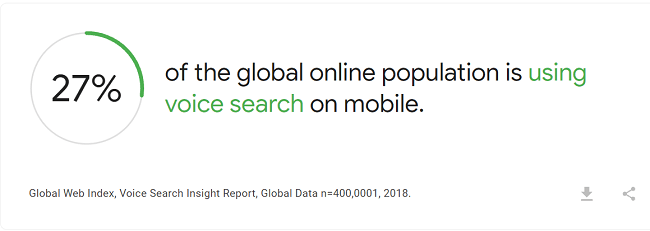
    According to Think with Google, 27% searchers use voice search features on mobile to ask queries. 

    So, businesses need to take care about voice search optimization too.

    Raine Gui, Director of Model Chic says, “Keep in mind that optimizing for voice searches requires businesses to think carefully about how people might phrase their queries using voice commands — instead of typing them out manually into a search bar.

  6. Social Signals & Links

    When ranking websites, Google also looks at social signals such as retweets, shares, and likes, which contribute to the overall backlink value of a website.

    While they may not be as important as other SEO factors, engaging on social media can help boost your online presence and increase the backlink value of your site.

    Additionally, backlinks from other quality websites can help increase traffic to your website and improve its rankings in search results.

    Miriam Domer, Content Marketer at Legal Finders, says, “Bring as many social signals to your site as possible. Be it social media sharing, links, referrals, press, or mentions. Google favors content that’s backed by people. And you need Google’s favor to rank higher.”

    So make sure you build relationships with other industry professionals or influencers willing to link to your content or products.

    So make sure you build relationships with other industry professionals or influencers willing to link to your content or products and enhance the overall backlink value of your website.

  7. Interlinking Structure

    Interlinking is one of the most overlooked SEO elements, but it’s critical for improving user experience and helping search engines crawl through a website more effectively.

    According to Search Engine Journal

    “Link architecture – the method of internal linking on your site – is a crucial step in site design if you want your site indexed by search engines. It plays a critical role in Googlebot’s ability to find your site’s pages and ensures that your visitors can navigate and enjoy your site.”

    So, by linking related content together within the same site, users can easily navigate through different pages on your site and find what they’re looking for quickly.

    Additionally, interlinking helps search engines index a website more easily, resulting in higher rankings. 

  8. Business Information that Showcases Your Authenticity

    Having accurate business information displayed on your website and Google My Business is essential for establishing trustworthiness with customers and showing them that you are a legitimate company.

    Ensure all your contact information (phone number, address) is consistent across different platforms like Yelp or Google Maps to ensure everything is clear when potential customers try to reach out to you directly.

    Also Douglas McShane, Operations Director at Leeds First Aid Courses, chimes in that, “Adding reviews or testimonials from previous customers can help establish credibility with new visitors who may be hesitant about engaging with a business they don’t know much about.”    

  9. On-Page Optimization & Technical SEO

    On-page optimization involves optimizing individual web pages to make them more visible in search engine results pages (SERPs).

    This includes optimizing title tags and meta descriptions and incorporating keywords into page content so that search engine crawlers quickly understand what the page is about and accurately rank it accordingly in SERPs.

    When asked, Ramunas Berkmanas, Digital Marketing Specialist at Ramberk, said that, “In simple words, technical SEO focuses more on how easy it is for users (and search engines) to navigate through a website by ensuring all links are working properly.”

    Or by setting up redirects if needed, so visitors don’t get stuck at dead ends while browsing through the site.

    Both are important as ignoring one or both can have a huge bad impact on your overall website ranking health.

Verdict!

Though SEO evolves over time, however, some basics will remain the same. For example, producing high-quality content that adds value, optimizing web pages for search engine crawlers, and ensuring your website pages are properly interlinked.

Nailing these ranking factors will help you stay ahead of the competition and ensure that your website is visible on search engine results pages.

As Claudia Torres, Founder of TheFab20s, says, “No doubt that SEO is changing fast. Everyday. Unexpected Google rollouts, changing consumer behavior, AI revolution, and more. Keep up with the latest digital marketing trends to ensure your strategies align with what’s working today, right now”

Good luck with your 2023’s SEO journey!

10 Best Animation Software for Beginners & Professionals (Free & Paid)

Video or animation is one of the most effective and powerful marketing tools. Animated visuals are a lot more engaging than plain, static images. According to research, video marketing generates 66% more qualified leads than any other marketing tool. 

Contrary to popular belief, you don’t always need expensive animation maker to create creative, engaging, innovative, and interactive animated shorts, clips, or videos. 

For example, you can hire one of the best marketing agencies, like Convex Interactive, to create, publish, and distribute various types of animated content for your business growth. Or, you can just do it yourself. 

This article will explore the 10 best animation software for beginners and professionals (free & paid). So, if you’re (seriously) interested in animation, you’ll need this guide.

Let’s get started.

Visme

Visme is a cloud-based, online design tool that allows anyone to create animated images, infographics, presentations, ads, banners, and other types of visuals.

Equipped with thousands of premade templates, stock photos and videos, customizable pre-animated characters, illustrations, gestures, and more, Visme is ideal for creating visual content for social media platforms. 

Features:

  • Friendly drag-and-drop editor.
  • Interactive links, call-to-action buttons, and hover effects.
  • Embed videos and other online content into your designs.
  • Team collaboration features: Share your projects.
  • Brand kit: Save your brand colors, fonts, and logos for later use.
  • Insightful analytics: Access graphs and statistics for project views.
  • Offline animated download formats: GIF, MP4 video, and HTML5.
  • Publish and share online: Use a link or generate an embed code.

Pricing:

A free subscription is available with limited features. Paid subscriptions start from $15/month per user, billed annually.

Best for:

Marketers, corporate teams, teachers, trainers, and personal use.

Adobe Animate

Adobe Animate allows you to create engaging and unique vector graphics and 2D animations for videos, ads, games, television, etc. 

As the new and improved version of Adobe Flash Professional, you can design characters, avatars, shapes, and other assets using this tool. It is also handy software for redesigning your website per the SEO guidelines to earn more traffic, sales, and revenue.  

Features:

  • Vector brushes with size, smoothness, pressure, and velocity controls. 
  • Timeline controls with advanced animation settings. 
  • Audio integration with synchronization and audio loops feature.
  • Export in Flash, HTML5 Canvas, WebGL, SVG, and more.

Pricing: 

Paid subscriptions start from $20.99/month.

Best for

Game designers, YouTubers, and animators.

VistaCreate

With a comprehensive library of templates, pre-animated objects, and characters, VistaCreate is more than just your basic animation software. Even with the minimum design skills, you can easily create animated ads, square videos, and Facebook covers with this tool. 

Another unique feature of this tool is its ability to combine videos and GIFs with your images to develop breathtaking visual content.

Features:

  • Access over 50 million stock photos and customizable animated templates.
  • Media library of videos and animations to use in designs.
  • Upload your videos, fonts, graphics, and animations.
  • Download in MP4 video format.
  • Share your animated video directly on social media.

Pricing: 

A free subscription is available with limited features. Premium subscriptions start from $10/month, billed annually.

Best for: 

Marketers, small business owners, and freelancers.

PosterMyWall

PosterMyWall is quite straightforward, especially for users who need animation software experience. This tool doesn’t require signing up before editing a template or designing promotional posters, graphics, and videos using a comprehensive media library. 

The feature that allows PosterMyWall to stand out among other tools is its ability to let you download your designs as high-quality videos, including HD and 4K quality. 

Features:

  • Large collection of animated video templates.
  • Thousands of stock videos to select for your designs. 
  • Download your videos in 4K and Full HD quality.
  • Save as high-quality MP4 and GIF files.
  • Share your designs with a link or embed them online.

Pricing: 

The free subscription plan comes with free social media downloads. Premium plans start from $9.95/month.

Best for: 

Individuals, businesses.

PixTeller

PixTeller’s animation software is perfect for personal and business use. If you are looking for an alternative to full-featured video animation software that is quite simple, then PixTeller is the right choice for you. 

You can create short animated videos in PixTeller by setting frame-by-frame motions and then editing the attributes of each frame, such as colors, rotation, opacity, and more.

Features:

  • Thousands of pre-animated templates to choose from.
  • Frame-by-frame timeline customization.
  • 100,000+ shapes to add to your visual content.
  • Share the URL of your video with specific people.
  • Download in MP4 video and GIF format.

Pricing: 

A basic subscription doesn’t include animation capabilities. The premium subscription with animation features starts from $12/month, billed annually.

Best for: 

Marketers, freelancers, bloggers.

Animation Studio

Animation Studio is a popular feature-rich animation software. This tool offers a large gallery of pre-animated elements and templates that can assist beginners and professionals in creating videos, HTML5 banners, ads, and more.  

The customizability options are almost endless with Animation Studio. However, if you are looking for a less robust version, you can use Animatron Lite. 

Features:

  • Thousands of pre-animated objects, characters, and more.
  • Import, place and edit your graphics.
  • Built-in voiceover features to add narration.
  • Real-time collaboration and comments.
  • Export to HTML5, MP4, SVG, and GIF formats.

Pricing: 

Animatron Lite is available for free with limited features. Paid subscriptions start from $30/month, billed annually.

Best for:

Marketers, corporate teams, educators, and freelancers.

Biteable

Biteable animation software is ideal for creating small or short-sized animated videos such as promos, ads, and social media. It lets you share and download animated videos by editing one of their premade templates.

You will also have access to thousands of stock footage clips and scenes to create an entirely customized video. Biteable also lets you share your project with teammates with its collaboration features.

Features:

  • Browse hundreds of professional video templates.
  • Add audio tracks using a huge library or upload your own.
  • Publish your video on Biteable with privacy controls.
  • Download your designs in Full HD MP4 video format.
  • Share directly to social media or use a link or embed code.

Pricing: 

A free subscription is available with limited features. Premium subscription plans start from $49/month, billed annually.

Best for: 

Marketers, trainers, educators.

Animaker

If you are related to the education section, handle a business, and need to create interactive presentations and videos, then Animaker is ideal for you. This animation software has many templates and pre-animated elements, including illustrations, characters, and gestures.

Features:

  • An extensive cluster of animated templates and assets.
  • Six distinctive video styles to edit and remix.
  • Pro-level animation features like Curves, Camera In and Out.
  • 200+ music tracks and sound effects.
  • Enterprise and team management features.
  • Download in MP4 video and GIF formats.

Pricing: 

A free subscription is available with limited features. Premium subscriptions start from $10/month, billed annually.

Best for: 

Marketers, presenters, freelancers.

Easil 

Easil is a web-based design and animation software that supports GIF downloads. However, the only way to make an animated GIF in Easil is by duplicating an image frame several times and making edits to each frame.

Features:

  • Thousands of editable templates in various categories.
  • Brand kit feature to save your brand colors, colors, and logos.
  • Creative text effects like drop shadows and masks.
  • Resize templates and designs for social media or print.
  • Create color schemes with the color palette generator.

Pricing: 

Premium subscription starts from $7.50/month per user, billed annually.

Best for: 

Brand managers, marketers, and bloggers.

Powtoon

Powtoon is an online animation software that allows you to create engaging, unique, and interactive videos/animations with premade graphic assets. It’s a great tool for presentations, explainer videos, and whiteboard animations.

Features:

  • Premade templates are spread across five categories.
  • Thousands of built-in graphics, animated characters, and more.
  • Advanced animation controls and character customization.
  • Choose from built-in audio, record audio, or upload audio files.
  • Import and edit Photoshop and PowerPoint files.

Pricing: 

Limited free plan. Paid plans start from $19/month, billed annually.

Best for: 

Marketers, presenters, educators, and trainers.

Berrytalks is Here to Change the Communication Paradigm

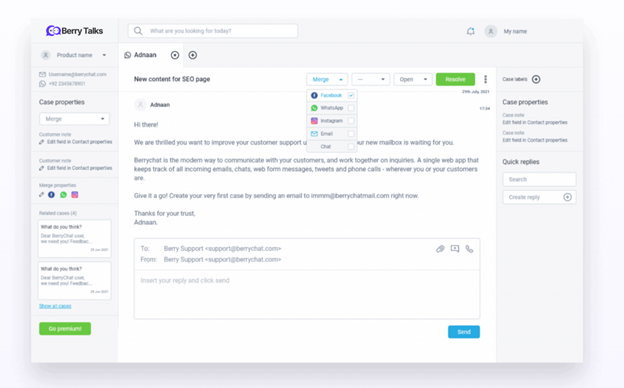
Convex Interactive has launched BerryTalks, a Communications Platform as a Service (CPaaS). This streamlined dashboard helps you change the game of customer interactions with a hello.

With BerryTalks, brands and businesses can communicate with clients, manage business goals, offer support, customer care, and get real-time analytics with live reporting.

Convex and BerryTalk

One Platform for All Your Business and Customer Needs

Berrytalks

Customers aren’t a fan of delays, they want you to reply quickly and remember what they said on different apps so they won’t have to repeat themselves.

With BerryTalks, businesses will have access to an entire suite of customer engagement channels, enabling them to improve customer and agent experience, and deliver rich, branded messages via WhatsApp Business API and other conversational platforms.

Generate Qualified Leads, Increase Engagement, and Deliver Instant Support

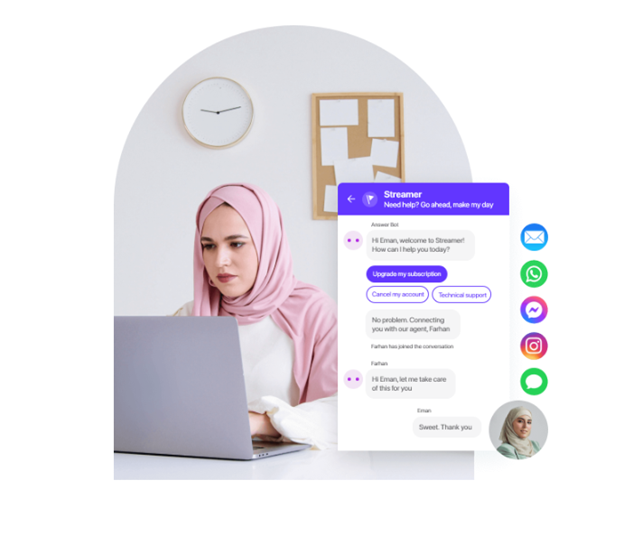
With BerryTalks, now you can integrate WhatsApp Business API, Facebook Messenger, Instagram DM, Call Centre, SMS, Twitter, Shopify, and Email platforms onto a single dashboard and create powerful chatbots that can handle 35% of the whole traffic.

It lets businesses:

  • Assign chats to relevant agents
  • Build customer profiles
  • Collaborate with your team
  • Create audience segments
  • Broadcast messages
  • Instant shop
  • And much more…

Berrytalks

All-In-One for everyone

BerryTalks lets businesses converse with customers anywhere and everywhere seamlessly.

  • WhatsApp Business API Integration

Create interactive conversations for your business on WhatsApp, one of the fastest growing Messaging Apps in the world.

  • A Call Center

Jump in where needed and speak with qualified leads with our customized call center services and make every customer feel like a VIP.

  • SMS

90% of text messages are read within 3 minutes, making SMS the best medium for any time-sensitive messaging. Text marketing CTRs run as high as 30%.

  • Facebook Messenger

Easily build and automate interactive conversations for Facebook Messenger that nurture relationships and lead to more conversions.

  • Instagram DM

Increase product sales, customer engagement, generate qualified leads, and deliver instant support through personalized conversations.

  • Email

Bring your team’s email into a shared inbox to work together, boost productivity, and build important relationships.

  • Shopify:

Change the e-commerce experience for your customers with automatic reminders, notifications, and personalized Chatbots.

  • Twitter:

Reach a wider audience and generate leads with just a tweet by integrating Twitter on BerryTalks.

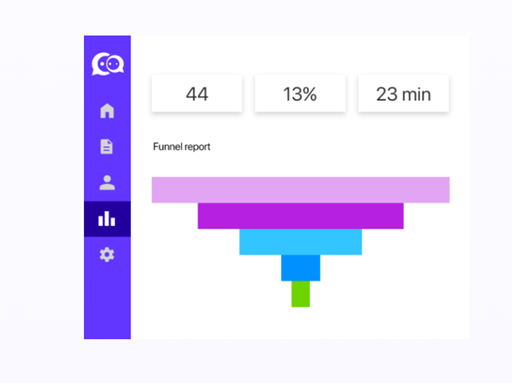
Funnel Report

Revolutionizing Customer Interactions

Manage and respond from one unified conversational platform seamlessly

Team Progress Tracking

Evaluate your team’s volume by channel, busiest hours, and trending topics among your customers.

Omni-Channel Analytics

View insights and necessary metrics instantly to create customized consumer experiences via Omni-Channel Analytics.

Unified View of Your Customer

CRM lists customer data, previous conversations, and app activity alongside every support request so you can deliver faster, more personalized support.

Set your teams up for success

Our reporting solution integrates data from every channel, so you can measure how customers interact with your brand without losing the thread.

So what are you waiting for?

Experience it yourself.

Book a demo now!

Pricing for WhatsApp Business: What you should know for 2022

Do you need help with the pricing? Do you think that purchasing WhatsApp business would set you back by a lot? Clearly, it won’t. Here are the details of the pricing model WhatsApp business rolled out in 2022. Discover how convex can help you make the most out of your investment.

Central to connecting people globally, WhatsApp has now laid the foundation of a new business-to-customer interaction era. The demands of Gen-Z and millennials must be met by their online shopping standards and not by what brand aims to set.

“If you see too many abandoned buckets or disowned baskets, know that, someone is doing something wrong, somewhere.”

Brands need to realize that netizens are inspired by convenience more than prices. Therefore, an easy-shopping experience will attract more customers for you than low prices. However, understanding how the new price changes will affect your business might help you make better decisions.

WhatsApp business came into existence in 2018 and has connected hundreds of thousands of companies to millions of customers, since then. Customers, upfront, want to shop from a place that sells goods online methodically.

New-age consumers don’t have the time to hassle or bicker over petty issues while shopping, but they might point your business out for a glitchy interface or hard-to-follow buying instructions.

Speculations that customers won’t buy online or that social media is not a good place to acquire consumers were put to rest when WhatsApp Business tapped on the available opportunities, and results spoke louder than critics.

Now, when WhatsApp business price is changing, brands need to be aware of the transition.

WhatsApp Business pricing – Ways to converse

WhatsApp Business pricing depends upon the type of conversation initiated; Therefore, it’s important to understand.

  • Messages (Free Form)
  • Notification (template based)

Messages

The free form messages mean when a customer initiates a conversation with the business.

Notification

When a business reaches out to a consumer.

WhatsApp used to charge businesses for conversations they initiated with customers, but customer-initiated messages were free until recently when WhatsApp decided otherwise. Let’s look at the conversation based model that WhatsApp will now use.

What does a WhatsApp Business account mean?

WhatsApp Business account means that if you have a business, you can enlist it on WhatsApp, create an account by the business’s name and then use that same account to reach out consumers on WhatsApp.

WhatsApp business unlocks a world of possibilities for your brand, and you can make the most of it by using the WhatsApp business API. As for WhatsApp Business API pricing… the whole article is dedicated to it.

Explaining WhatsApp’s conversation-based pricing

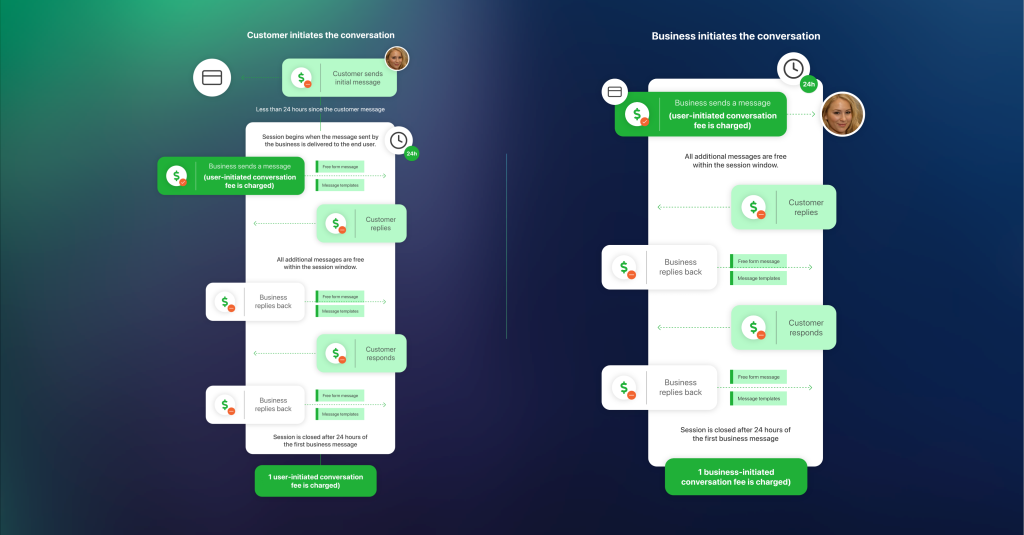
The difference between WhatsApp’s price then and now is that WhatsApp charged businesses per message before. However, they will be now charged per conversation. Moreover, there will be a difference between customer-initiated and business-initiated conversations.

The Catch: Important thing to notice here is that any messages exchanged in the 24-hour window or a single conversation will be charged once, but the cost depends on the receiver’s country code.

Once a conversation is paid for, there is a 24-hour window for the consumer and the business to exchange messages. This also keeps a tab on the company and persuades the brand to reply promptly because as soon as a new conversation starts, it will be charged separately.

Pricing For whatsapp

Enjoy Free points of entry and free conversations

WhatsApp hasn’t just changed its pricing model; it is introducing new brackets and opening new doors for businesses on WhatsApp to connect and expand with other Meta applications.

If a customer clicks on an Insta or Facebook advertisement that lands them on WhatsApp chat, the business will not be charged for that conversation. Similarly, for new WhatsApp Business accounts, the first 1000 conversations wouldn’t be charged each month.

Whatsapp Pricing

How much will the WhatsApp business cost?

WhatsApp business was originally meant for small businesses or brands operating on a small scale. Yes, it is free and allows small business owners to connect with their potential clients over WhatsApp. So, there will be no WhatsApp business cost. You can download it, install it, and use it. It’s free.

How does the new pricing model affect your business?

More or less, the way you do business might not be affected by the pricing model change by WhatsApp because of the compensation that the platform offers in terms of how you interact with the consumer.

For example, if you are paying for one conversation, you can enjoy unlimited messages in the same conversation. Now, you don’t need to pay for the whole conversation compared to the previous pricing model, where you would have paid for every single message.

Moreover, contemplating on the free entry points and free conversations that one is entitled to with a WhatsApp account, one might think that this new pricing change is beneficial for the businesses.

Businesses get to reach new clients and keep the old ones without excessively worrying about paying the platform. This means a meaningful customer journey where customers can have complete information about the products they aim to buy.

An informed customer is a better consumer because they know where to go and what to do, and these are the same consumers who end up buying the product.

Everything can be easily done via WhatsApp Business, from promotional messages to customer highlights and from personal notifications to sharing new deals.

The cost of WhatsApp business API, if you are a large corporation, might seem hefty to you, but isn’t very important in front of the benefits that come with it.

Take home message

  • WhatsApp business pricing model changed on February 1, 2022.
  • According to the new model, WhatsApp doesn’t charge the user for the same per message template. Instead, businesses are charged per conversation, i.e., A 24 hours session with the customer.
  • Facebook and Instagram are the freeway entry points which means that any conversation that starts after a prospect lands on WhatsApp via these two platforms will be free.
  • A business will enjoy the first 1000 conversations for free each month.
  • Businesses will be charged differently for conversations initiated by customers as compared to conversations started by the business itself.
  • The country code of the consumer will also affect the prices.

Drive Sales through Convex WhatsApp Business Solution

Convex is an Omni channel WhatsApp business solution provider currently providing services to countless clients. Our clients are from FMCG, banking, retail, and pharmaceutical sector.

Connect with us today to understand your business’s true potential and how can we help you expand and grow. Please drop a comment below or find us here.

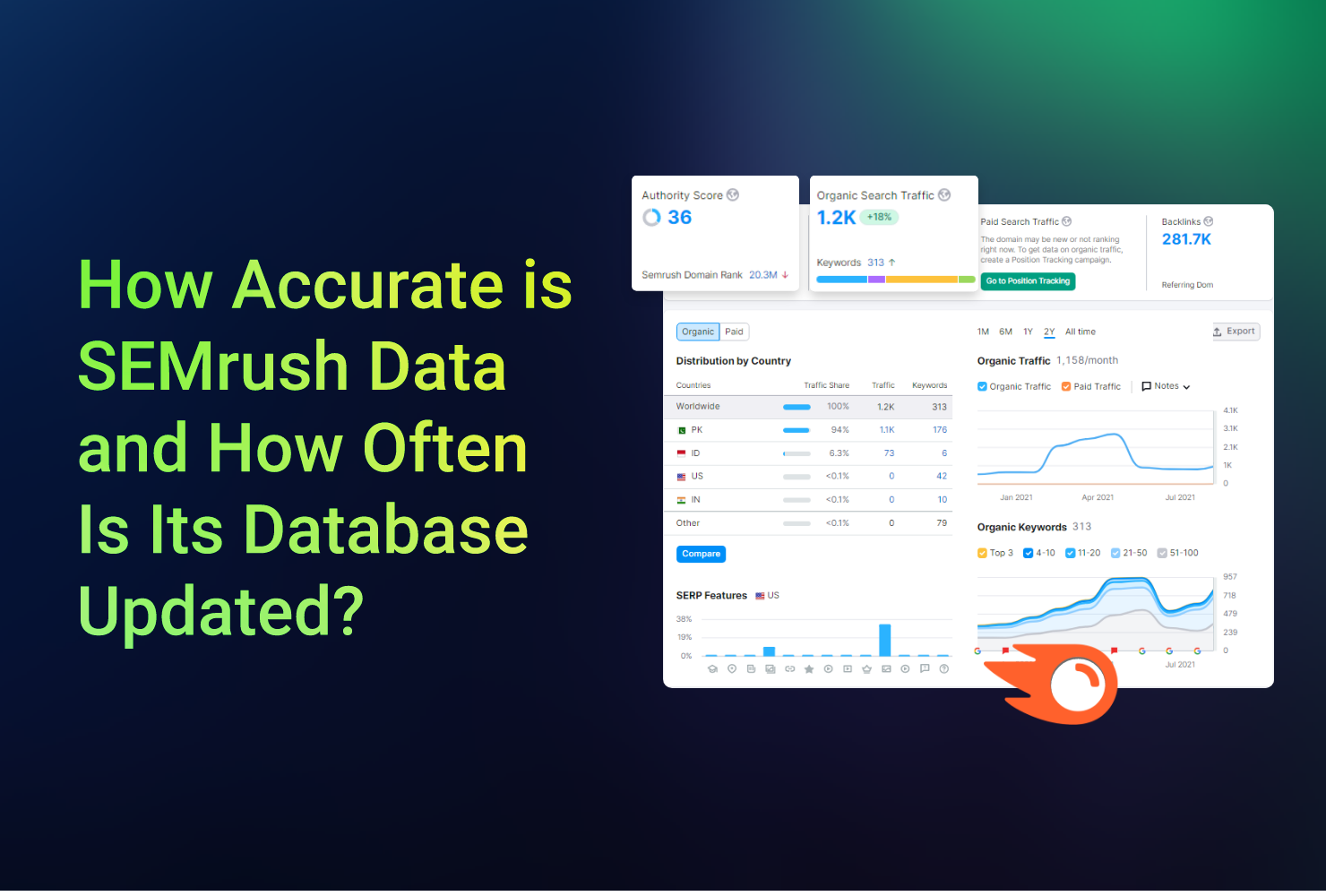
How Accurate Is SEMrush Data and How Often Is Its Database Updated?

SEMrush is an online digital marketing tool that assists various organizations in creating, executing, and managing digital marketing strategies such as SEO campaigns. 

Using SEMrush, you can identify modern digital marketing trends within your industry niche. This will allow you to better understand your website or webpage and optimize it for higher visibility, traffic, clicks, sales, and revenue. 

In addition, this tool is crucial for identifying valuable keywords for your marketing campaigns. You’ll learn which keywords are being targetted by your competitors for higher SERPs ranking, giving you a good insight into how you can stack up to the competition. 

Even though SEMrush is trusted by thousands of top-notch digital marketing service providers and is included in almost all digital marketing courses, there has been a never-ending debate regarding the accuracy of its data and database update frequency. 

But before we continue, let’s briefly examine the comparison between SEMrush and SEO companies. 

SEMrush vs. SEO Agency

SEMrush has countless reliable, straightforward, and beneficial features to boost your business’s success. However, you may wonder if it is better to use SEMrush or just hire a professional SEO agency

If you have time and patience to learn about SEO and digital marketing services, then one of the paid SEMrush plans is a great option. But, unfortunately, you will have to spend more time on your campaign than on other projects. 

An SEO company is an excellent option for businesses that don’t have the time to run SEO campaigns. An SEO company will have the knowledge, expertise, and experience to plan, execute, and manage successful campaigns for your business growth. 

How Often Is SEMrush Database Updated?

SEMrush updates its database every Tuesday at 10:00 PM. The tools get updated data by crawling search engine result pages from Google and other search engines. 

But why should you care about SEMrush updates, and how reliable is the data? It’s simple – if you are looking at a competitor’s brand name’s results, then it makes sense that new results will show up. 

While SEMrush has a good reputation for getting accurate data, many digital marketers have pointed out that their data isn’t correct. 

Our team at Convex Interactive dug up to see how accurate the SEMrush database is, and the results were surprising. Have a look at them below. 

Is SEMrush Accurate?

After analyzing more than 50 different websites and spending $250,000 on Google Ads every month, we found SEMrush,Ahrefs, Spyfu, and iSpionage reporting 5-10% or less of the actual results. 

Niche: Plumbing  

Plumber services in New York with a verified monthly Ad spend of $9,000. However, SEMrush is showing this domain is spending $0 on Google Ads and is bidding on 0 keywords. 

Niche: Logo Design 

Logo design services targeting the USA region with a verified Ad spending of $10,000. SEMrush is showing domain is spending $0 on Google Ads and is bidding on 0 keywords.

So, does SEMrush data is accurate? – The answer is “No.” 

Making WhatsApp chats secure – WhatsApp new extension

WhatsApp aims to make its chats more secure and impenetrable in order to protect the user’s privacy. To do so, it has launched a web extension named Code Verify. Let’s find out what Code Verify is and what it does.

There is always a ‘might have been’ and ‘could have been’ associated with applications and social media platforms. Periodic attacks by hackers have revealed loopholes in security over time, which is worrisome for a netizen. Millennials and Gen Z don’t just want to use the internet; they want to use it securely and privately.

WhatsApp Web

WhatsApp web is an important social media platform that lets you use your WhatsApp account on the desktop. WhatsApp proudly talks about its end-to-end encryption that protects the users’ chat, data, and privacy. Hence, the question arose whether WhatsApp web was as secure as WhatsApp mobile application.

Additionally, WhatsApp has now become indispensable for businesses to staying connected with consumers around the clock when they are utilizing conversational marketing, so security is a must.

What happened in the past should be avoided; to make things worse, the security isn’t exactly water-tight when it comes to many applications. However, WhatsApp is different.

WhatsApp aims to make it impossible for the attacker to compromise the user’s privacy by gaining any data on WhatsApp web. The new WhatsApp web extension is a part of this security hierarchy for the web version.

WhatsApp new browser extension

WhatsApp’s multi-device beta launch last year promised a more seamless messaging experience across different devices, from the phone you use primarily to the desktop to tablets you use. This feature has persuaded users to focus more on WhatsApp web, which means an increase in the number of people who want to connect via WhatsApp on their desktops.

The process

There is nothing secretively and amazingly new about the security code used in Code Verify. Simply, it is the comparison of hashing between the code of your browser and the code of a trusted third party. However, what makes it interesting is the automation process, where someone who is not too bright (on the technical side) can also use it freely.

The check

Once the handshake has been initiated, the WhatsApp web browser extension introduces a checksum of lights just as on a traffic signal to show whether you are clear to use the web browser or not.

Green means all is good to go, and no intervention is needed. Orange means that you need to make some changes or that another extension is interfering with the process. Red, however, means that there is something wrong and that WhatsApp needs to look at it. The good thing is that WhatsApp will look at it on its end and make it workable.

Then again comes the wake-up knock of privacy which asks whether WhatsApp extension or that specific third party will be able to access and read messages. Meta promises that no, no one can’t. The source code for Code Verify is also released on GitHub, which means that it’s open source – making it more secure and private.

WhatsApp new browser extension is aimed at making the world of messaging more secure and private for WhatsApp desktop users. Whereas, for the users confused about the browsers on which they can use this extension, Meta states that it is available on Edge and Chrome for now.

The Way forward

The messaging world has seen a huge paradigm shift when it comes to digital excellence. The way forward is now through applications like WhatsApp, which has a user base of almost 2 billion. Because there are so many users, it has become a ripe opportunity for businesses to market their products and services there through WhatsApp business API.

Therefore, business solutions providers like Convex offer WhatsApp business solutions to small, medium, and large-scale companies so that every business has the opportunity to reach new heights.

So this is all about WhatsApp’s new extension. If you still have any questions, you can let us know. We’d be more than happy to help you out.