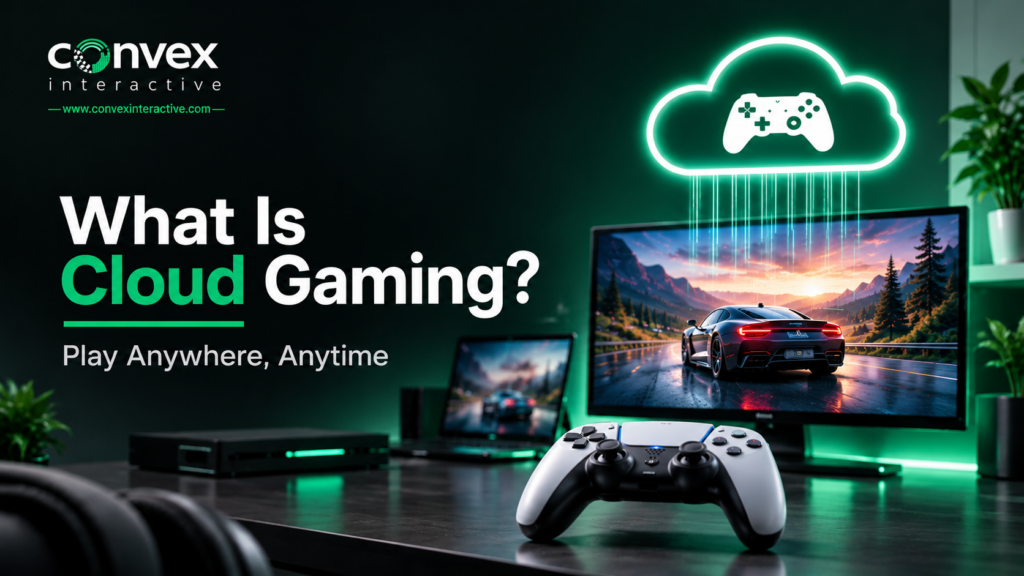
What Is Cloud Gaming & How Does It Change the Way We Play Games?
In recent years, the gaming industry has shifted dramatically, with new technologies changing how people access and enjoy their favorite games. From advanced graphics to online multiplayer experiences, gaming has grown beyond traditional consoles and PCs, creating new opportunities for players worldwide.
Moreover, as the demand for accessible gaming continues to increase, cloud technology is changing how games are delivered and played. Instead of relying entirely on powerful local hardware, cloud gaming allows players to access games running on remote servers, making it easier to play on compatible devices with a stable internet connection.
Furthermore, gaming is no longer seen as just a hobby or a way to pass the time. With the growth of esports, live streaming, content creation, and competitive gaming, people are also building careers and earning through this industry. As a result, gaming has become a major entertainment and business sector with opportunities that keep expanding.
With major releases such as Grand Theft Auto VI now available worldwide, excitement around gaming is stronger than ever, with more to explore beyond new game launches.
In this blog, Convex Interactive explains what cloud gaming is, how it works, and the different types of gaming experiences it supports, helping you understand this evolving technology simply.
What Is Cloud Gaming?
Cloud gaming is changing how people access and enjoy video games by reducing the need for expensive gaming hardware. Instead of installing and running games on a personal device, players can stream supported titles online. This makes gaming more accessible across compatible devices, including smartphones, laptops, tablets, and smart TVs.
1. Understanding Cloud-Based Gaming
Cloud gaming lets users play video games hosted on remote servers rather than running them directly on their devices. Servers handle game processing and graphics, while players interact with the game through a streaming connection.
2. Gaming Without Expensive Hardware
Traditional gaming often requires powerful processors, graphics cards, and sufficient storage to run demanding titles. Cloud gaming reduces these hardware requirements because most processing happens remotely, allowing compatible everyday devices to access supported games.
3. Accessing Games Through the Internet
Cloud gaming platforms stream games over the internet, similar to how video streaming services deliver movies and television shows. Players can open a supported application or browser, select a game, and start playing without downloading the full title.
4. Playing Across Multiple Devices
One of the main advantages of cloud gaming is its flexibility across compatible devices. Depending on the platform, players can enjoy games on smartphones, tablets, computers, and smart TVs without a dedicated gaming console.
5. A Different Approach to Digital Entertainment
Cloud gaming offers a new way to access digital entertainment by combining remote computing with interactive streaming. It provides an alternative to traditional gaming, particularly for players who want convenient access to supported games without buying expensive equipment.
How Does Cloud Gaming Work?
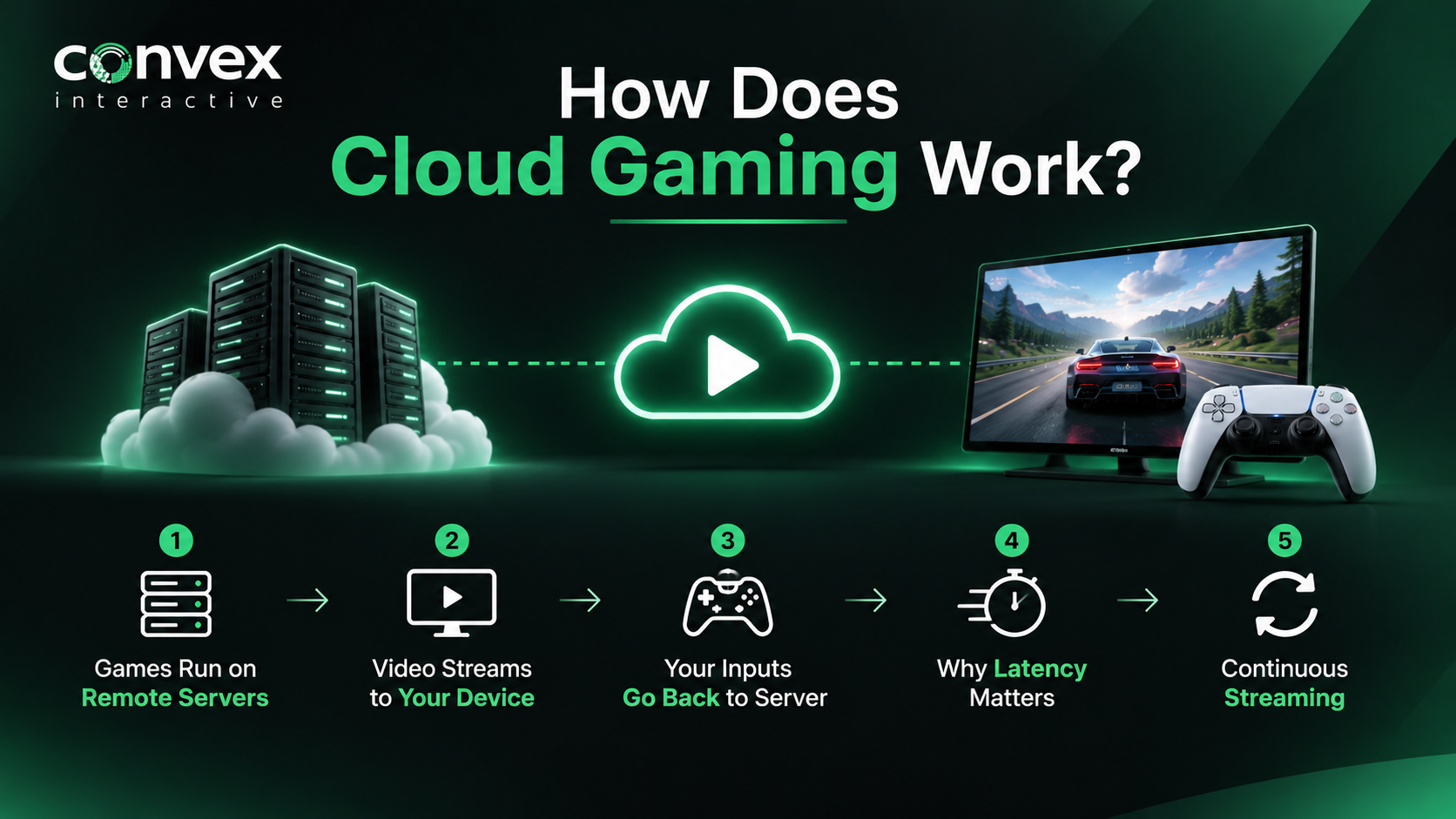
Cloud gaming becomes easier to understand when you look at the technology behind each gaming session. A cloud gaming platform runs games on remote servers, streams the visuals to the player’s device, and processes the player’s actions over an internet connection.
1. Games Run on Remote Servers
Cloud gaming begins when a player selects a game through a supported platform. The game launches on a remote server with powerful processors and graphics hardware that handle the calculations and rendering required to run it.
2. Video Streams to Your Device
Once the game starts, the server converts its visuals and audio into a compressed stream and sends it over the internet. The player’s device receives and displays the stream, letting them see the gameplay without running the full game locally.
3. Your Inputs Go Back to the Server
When players press buttons, move a controller, or use a keyboard and mouse, their actions are sent back to the remote server. The server processes these inputs, updates the game, and sends the next visual stream to the device.
4. Why Latency Matters
Latency is the time it takes for player inputs to reach the server and for the response to return. Lower latency creates more responsive gameplay, while delays can affect timing and accuracy, especially in competitive games and fast-paced action titles.
5. Continuous Streaming Keeps the Game Running
These steps continue throughout the gaming session, creating a continuous exchange between the server and the player’s device. A stable connection and efficient server infrastructure help maintain consistent streaming quality and reduce interruptions.
Who Owns Your Games on a Cloud Gaming Platform?
Cloud gaming changes how players access their favorite titles, but it does not always mean they own the games they play. Some platforms let users stream games they have already purchased, while others offer access through subscription-based libraries.
Therefore, players should understand the difference between purchasing a game and accessing it through a subscription. If a subscription expires or a title leaves the platform’s library, access may change, so check licensing terms and game availability before choosing a service.
Can Cloud Gaming Handle Competitive Multiplayer Games?
Competitive multiplayer gaming requires quick responses, precise controls, and consistent performance, making latency a critical factor. Although cloud gaming makes online titles accessible across devices, delays between player inputs and on-screen actions can hinder fast-paced gameplay.
However, improvements in server infrastructure, network technology, and streaming optimization continue to make cloud gaming more responsive.
While it suits casual multiplayer sessions and many everyday gaming experiences, professional players may still prefer local setups for greater control over latency and performance.
Cloud Gaming vs Console vs Gaming PC
Cloud gaming, consoles, and gaming PCs offer distinct ways to play video games. Each option has its own advantages, ranging from hardware performance and game availability to flexibility and overall cost. Understanding these differences can help players choose the option that best suits their gaming preferences.
1. Hardware Requirements and Initial Costs
Cloud gaming reduces the need to buy expensive gaming equipment because remote servers handle most processing tasks. Consoles require dedicated hardware, and gaming PCs may need powerful graphics cards, processors, and memory to run demanding games.
2. Graphics Quality and Gaming Performance
Gaming PCs and consoles process games locally, delivering performance based on their hardware capabilities. Cloud gaming streams rendered visuals from remote servers, so image quality and responsiveness also depend on internet speed, server performance, and streaming settings.
3. Game Libraries and Available Titles
Gaming PCs provide access to supported PC game stores, while consoles offer games designed for their respective ecosystems. Cloud gaming platforms maintain their own supported libraries, which may include selected titles from different publishers and developers.
4. Online and Offline Gaming Options
Cloud gaming requires an active internet connection because games run on remote servers. Consoles and gaming PCs can run many downloaded games offline, although online multiplayer, certain updates, and connected features still require internet access.
5. Flexibility and Device Compatibility
Cloud gaming lets players access supported titles on compatible devices without buying a dedicated console. Consoles offer a more traditional television-based experience, while gaming PCs provide greater hardware customization, upgrade options, and control over graphics settings.
| Feature | Cloud Gaming | Console | Gaming PC |
| Hardware investment | Lower upfront cost | Moderate to high | High |
| Internet requirement | Essential | Depends on game | Depends on game |
| Offline gaming | Not supported | Supported games | Supported games |
| Device flexibility | Multiple compatible devices | Limited | Depends on setup |
| Hardware upgrades | Not controlled by user | Limited | Extensive |
What You Need to Play
Getting started with cloud gaming does not require a high-end gaming computer, but certain technical requirements can affect the experience. Internet performance, data usage, device compatibility, and suitable gaming accessories are important factors to consider when choosing a cloud gaming platform.
1. Internet Speed and Stability
A fast and stable internet connection helps deliver smoother cloud streaming and reduces interruptions during gameplay. For example, NVIDIA recommends at least 15 Mbps for 720p streaming and 25 Mbps for 1080p at 60 FPS on GeForce NOW, though requirements vary by service.
2. Low Latency for Responsive Gameplay
Internet speed is not the only factor that matters when playing games through the cloud. Low latency helps player actions reach remote servers quickly, making gameplay more responsive, especially in racing, shooting, and competitive multiplayer games.
3. Data Usage and Internet Charges
Cloud gaming streams video and audio continuously, which can consume significant amounts of internet data during longer sessions. Players on limited mobile data plans should check their available data allowances and network charges before starting regular cloud gaming sessions.
4. Compatible Devices and Browsers
Most cloud gaming services support selected smartphones, tablets, laptops, desktop computers, and smart TVs. However, compatibility depends on the platform’s supported operating systems, browsers, applications, and hardware requirements.
5. Controllers and Gaming Accessories
A compatible controller, keyboard, or mouse can make gameplay more comfortable, depending on the game you choose. Some services also offer touchscreen controls for mobile devices, letting players enjoy supported titles without buying extra gaming accessories.
Cloud Gaming in Pakistan
Cloud gaming in Pakistan offers an alternative for players who want to explore digital entertainment without investing in expensive gaming computers or consoles.
However, internet quality, data packages, service availability, and payment options matter when choosing a platform.
1. Growing Interest in Accessible Gaming
Many gaming enthusiasts want affordable ways to enjoy different titles without buying high-performance hardware. Cloud gaming offers another option by letting users access supported games through compatible devices and internet connections.
2. Internet Connectivity Across Pakistan
Internet performance can vary by service provider, location, network congestion, and connection type. Players should consider both download speed and latency because a fast connection does not always guarantee responsive cloud gameplay.
3. Mobile Data Packages and Streaming Costs
Mobile internet provides convenient access to online gaming, but continuous cloud streaming can use a lot of data. Before choosing a platform, players should review their existing data packages and understand any additional charges from their network provider.
4. Exploring Gamelotte in Pakistan
Players can explore Gamelotte, a cloud gaming platform by Convex Interactive, which offers access to more than 2,000 premium games across different genres. Features include personalized player profiles, competitive leaderboards, and cross-device access, though an active internet connection is required and offline gaming isn’t supported.
5. Choosing the Right Cloud Gaming Experience
Before subscribing to a cloud gaming service, Pakistani players should check its regional availability, supported devices, pricing, payment options, and internet requirements. Comparing these factors helps users find a platform that fits their budget and provides a suitable gaming experience.
Best Cloud Gaming Services
Choosing the best cloud gaming service depends on your preferred games, available devices, subscription budget, and internet connection. Different platforms offer different features, so comparing their libraries, streaming quality, and accessibility can help you choose the right option.
1. Game Library and Supported Titles
The available game library is one of the most important factors when selecting a cloud gaming platform. Some services let players stream supported games they already own, while others offer access to selected titles through subscription-based libraries.
2. Device Compatibility and Accessibility
A good cloud gaming service should support the devices you regularly use. Some platforms offer browser-based gaming, while others provide dedicated applications for smartphones, computers, gaming consoles, and selected smart TVs.
3. Subscription Plans and Pricing
Cloud gaming services use various pricing models, including monthly subscriptions, free access tiers, and premium memberships. Players should compare subscription costs, included games, session limits, and any additional purchases before choosing a service.
4. Offline Access and Game Availability
Most cloud gaming platforms require an active internet connection because games run on remote servers rather than locally installed hardware. For example, Gamelotte offers online access but does not support offline play, so internet availability matters.
5. Streaming Quality and Server Latency
Streaming resolution, frame rates, server locations, and network latency can influence the overall gaming experience. Before subscribing, players should check regional availability and technical requirements to determine whether a service can deliver responsive gameplay through their connection.
Popular cloud gaming platforms to explore:
- NVIDIA GeForce NOW: Allows players to stream supported PC games from their existing game libraries.
- Xbox Cloud Gaming: Provides access to supported Xbox titles through eligible subscriptions and compatible devices in supported regions.
- Amazon Luna: Offers cloud-based gaming through supported devices and subscription options in selected regions.
- Gamelotte: Provides access to more than 2,000 premium games across multiple genres, with player profiles and competitive leaderboards.
Building Cloud and Mobile Games
Cloud gaming creates new opportunities for developers, gaming studios, and businesses looking to reach players across different devices. Building successful gaming experiences requires more than attractive graphics; it also involves thoughtful design, reliable backend systems, smooth performance, and effective monetization strategies.
For businesses planning to launch their own gaming products, Convex Interactive offers mobile game development services across the full development lifecycle, from initial concepts and prototypes to deployment and ongoing improvements.
1. Game Concept and Prototyping
Every successful game begins with a clear concept, engaging gameplay mechanics, and a defined target audience. Prototyping enables developers to test ideas, understand player interactions, and identify areas for improvement before moving into full-scale production.
2. 2D and 3D Game Development
Game development involves creating interactive environments, characters, animations, and visual elements that make gameplay engaging. Technologies such as Unity and Unreal Engine help developers build 2D and 3D game experiences across platforms.
3. Multiplayer and Backend Integration
Multiplayer games require reliable server infrastructure, matchmaking systems, and real-time communication between players. Proper backend development helps synchronize gameplay, manage player sessions, and maintain consistent performance during online matches.
4. Game Monetization and Player Engagement
Monetization strategies help gaming businesses generate revenue while maintaining an enjoyable player experience. Common options include in-app purchases, rewarded advertisements, subscriptions, virtual currencies, and seasonal content.
5. Cross-Platform Deployment and Ongoing Updates
Cross-platform development makes games accessible across Android, iOS, and web environments. Regular updates, performance monitoring, and new content also help improve player retention and maintain long-term engagement.
Ready to Explore New Gaming Possibilities?
Whether you want to experience cloud gaming or build your own gaming platform, the right technology can help turn your ideas into engaging digital experiences. Connect with Convex Interactive and speak with our team to explore gaming solutions that align with your business goals.
FAQs
Can you play cloud gaming without downloading games?
Yes, cloud gaming lets players access supported titles without downloading or installing the full game on their local device. The game runs on remote servers, reducing the need for device storage.
Do you need to buy games separately for cloud gaming?
It depends on the platform and its subscription model. Some services include games in their subscription libraries, while others, such as GeForce NOW, let users stream supported games they already own.
Can you switch devices without losing your game progress?
Yes, supported cloud gaming services can synchronize saved game progress across compatible devices. This lets players continue their gaming sessions from where they left off, as long as cloud saves are supported and enabled.
What happens to your game progress if a cloud gaming session ends?
Your progress may remain saved through cloud save features, depending on the game and platform. However, games without supported cloud synchronization may require additional storage or manual save management.
Can multiple players use the same cloud gaming account?
Account-sharing rules depend on the gaming platform, subscription terms, and supported features. Some services restrict simultaneous sessions, so users should check their provider’s account and device policies before sharing access.